
SLE (Lupus)
About SLE (Lupus)
Lupus is a systematic autoimmune disease which affects the body's tissues and organs by your own immune system thinking that they are foreign. Lupus is a chronic inflammatory disease that affects various parts of the body including joints, skin, kidneys, blood cells, brain, heart, and lungs. Lupus is also known as systemic lupus erythematosus or SLE. The exact cause of lupus is very difficult to diagnose, although it's a combination of genes, hormones and environmental factors. It affects women between 18 and 40 years of age.
Symptoms of lupus is unpredictable, a combination of medications and lifestyle changes can make the person lead a normal life. Lupus is a chronic inflammatory disease with many health risks like cardiovascular disease, kidney disease and stroke.
Today, doctors recognize the condition at early stages and there are many ways to manage this disease compare to earlier. Almost the success rate is more than 90%.
How Immune System Works
Our immune system protects our body by producing antibodies which attack bacteria and viruses. However, people with lupus produce antibodies that attack their own tissues. These antibodies will cause pain, inflammation and also damage other parts of the body.
Causes of Lupus
Doctors don't know the exact reason behind lupus. They think that this autoimmune disease is caused due to genetics, hormones and environment. Other factors which may trigger lupus are:
- Exposure to sunlight, which is common cause of flare-ups
- Long term medications or antibiotics may trigger lupus
- Viral infections and stress
- Hormone estrogen may be a reason for lupus because 9 out of 10 are women who are affected
Symptoms
No two people with lupus have same symptoms. The symptoms may fluctuate between active periods (flares) and then minimal for sometime (remission). The signs and symptoms include:
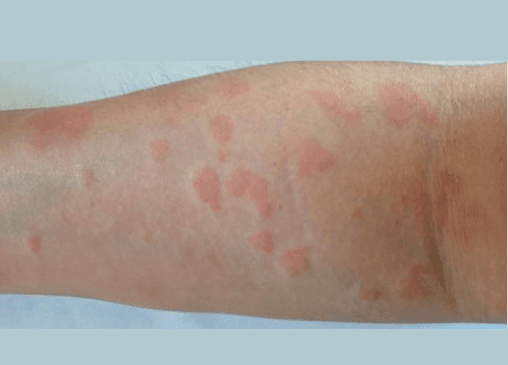
- Sun sensitive rashes on the face especially on nose and cheeks (butterfly rash)
- Joint pains, swelling, fever
- The painful inflammation in the joints
- Chest pain, cough and breathing problems
- Dry eyes, headache, hair loss
- Fatigue and weight loss
- Raynaud's phenomenon - fingers or toes turn white or blue when exposed to cold
- Confusion and memory loss
- Enlarged lymph nodes
- Recurrent miscarriages
Treatment and Prevention
There is no permanent cure for SLE, the treatment will reduce the symptoms and limit damage to the vital organs. General medicines prescribed include:
- Non-steroidal anti-inflammatory drugs (NSAIDs)
- Oral corticosteroids to reduce inflammation
- Antimalarial drugs for skin rashes, mouth sores, and joint pain
- Immunosuppressive agents to control the immune system
Prevention and lifestyle changes: Consult rheumatologist, take rest and learn stress management, regular exercise, maintain healthy diet, avoid smoking and alcohol, avoid direct sunlight exposure.
Lupus is a complex disease and is considered as a long term serious issue. It's very important to follow proper medications and you need a strong and positive mind to fight this disease.
Concerned about SLE (Lupus)?
Book a consultation with Dr. Naresh Aremanda for expert diagnosis and treatment.
Book a ConsultationRelated